What do Bees and a Happy Accident Have in Common?
THIS IS SOUR LIFE
The history of sourdough is a curious one that can be traced back over 5000 years to ancient Egypt and was, akin to most important discoveries, a happy accident!
The magic of brewing beer was well-known to the ancient Egyptians and was used as both payment, bribe and sustenance for the workers whilst building those amazing pyramids. (Which is possibly why they are the shape they are?!)
“Ere, Mo, you sure that wall’s straight?”
“Looks alright to me mate?“
“How many beers you had?”
A standard labourer apparently received around 5 litres of nutrient-rich beer a day!

Humans obviously couldn’t live and work on beer alone, so a leavened or fermented bread was also part of their daily diet, probably to line their stomachs! Which came first, however, is unclear, but legend has it that the flour and water for their beer-making, were left outside one night, and either forgotten about or not returned to for a while due to a pyramid related incident!
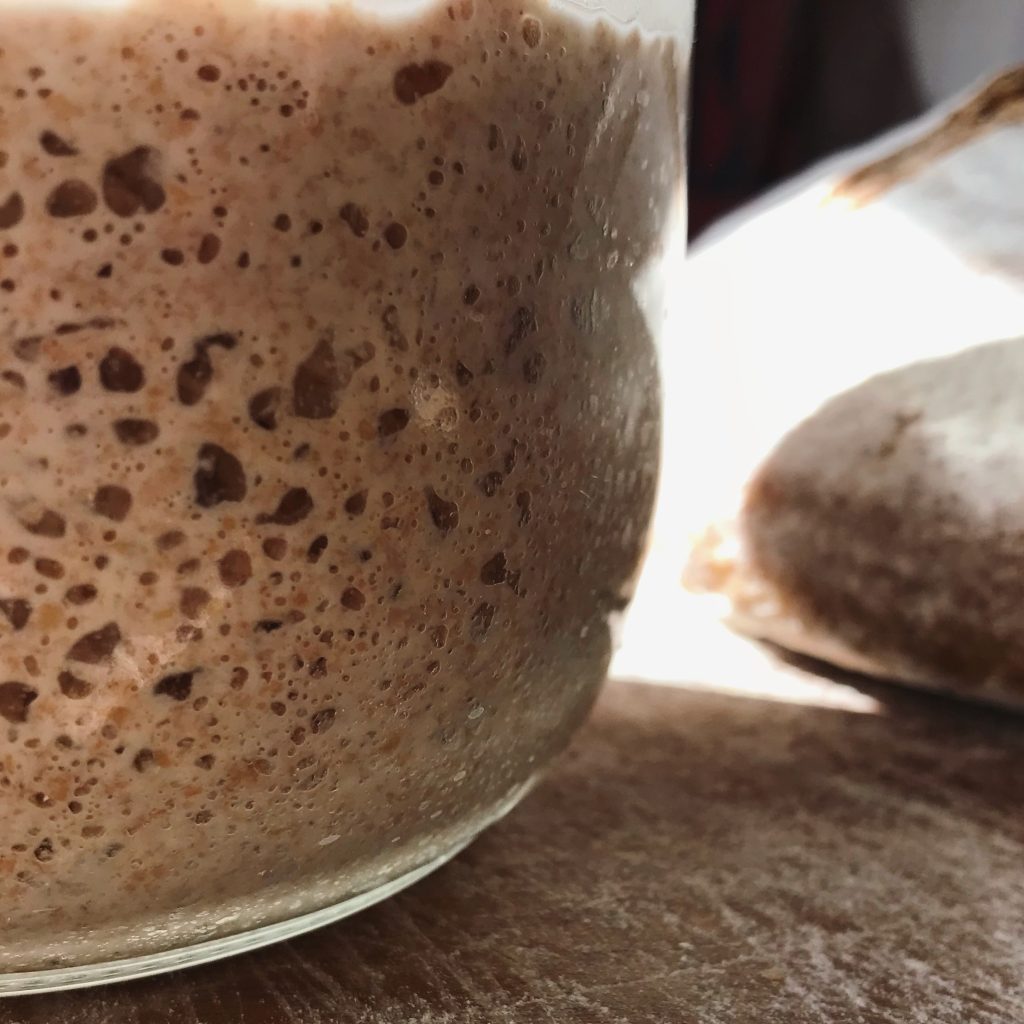
Left to its own devices, the cool night air encouraged a natural yeast to form which in turn ‘gave life’ to the brew and turned it into a bubbly magic gloop. How the gloop became bread is also of fable, but possibly a local alcoholic, of which there were undoubtedly many, tried to drink it thereby leading them to think “I wander what happens when you bake this stuff?” Either that or it was left in the sun? Who knows?
Flippancy aside, unknown to the local lush, they had discovered a most powerful and natural food that has barely changed in the last 5 millennia.
THE GOODNESS OF SIMPLE INGREDIENTS
White and pure sourdough bread contains only three ingredients; FLOUR, WATER and SALT and the long fermentation process starts to digest the gluten so your tummy doesn’t have to. It’s magic, (but also totally explicable if a bit wordy!)
THE SCIENCEY BIT
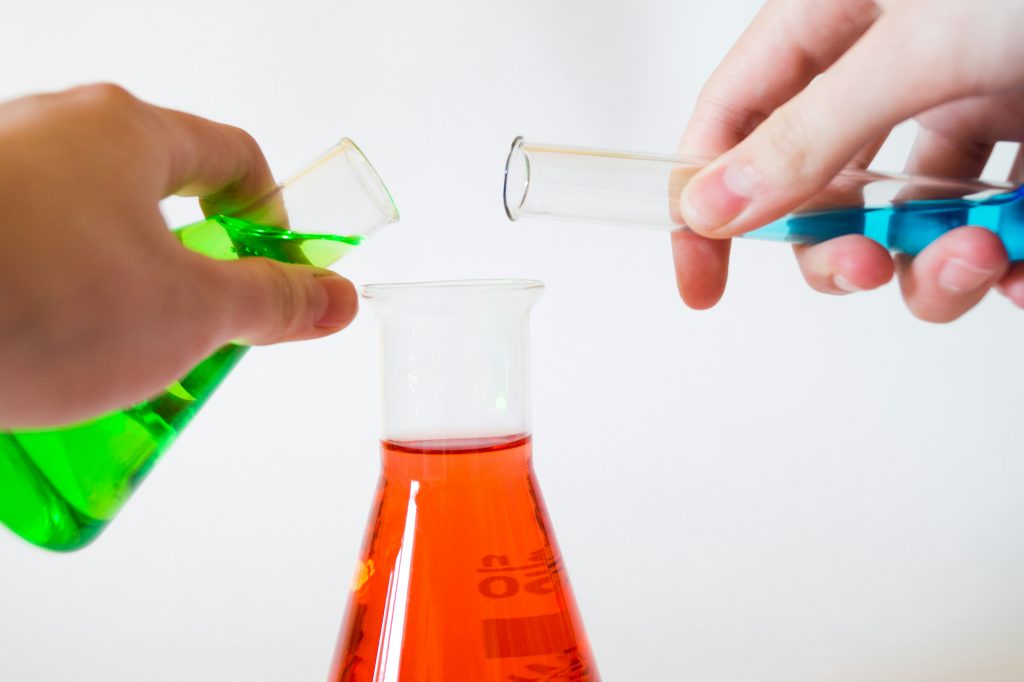
The fermentation of sourdough is a natural process driven by a symbiotic relationship between wild yeast and lactic acid bacteria. Unlike commercial bread, which relies on a single isolated strain of dried or synthetic yeast, sourdough relies on capturing organisms that are naturally present in flour and the environment.
Here is exactly how the process works from start to finish.
1. INGESTION (The Feast)
When flour and water mix, enzymes break down complex starches into simple sugars.
- The Yeast Feed: The wild yeast cells consume these simple sugars
- The Bacteria Feed: The lactic acid bacteria simultaneously consume maltose and other sugars
2. GAS PRODUCTION (The Rise)
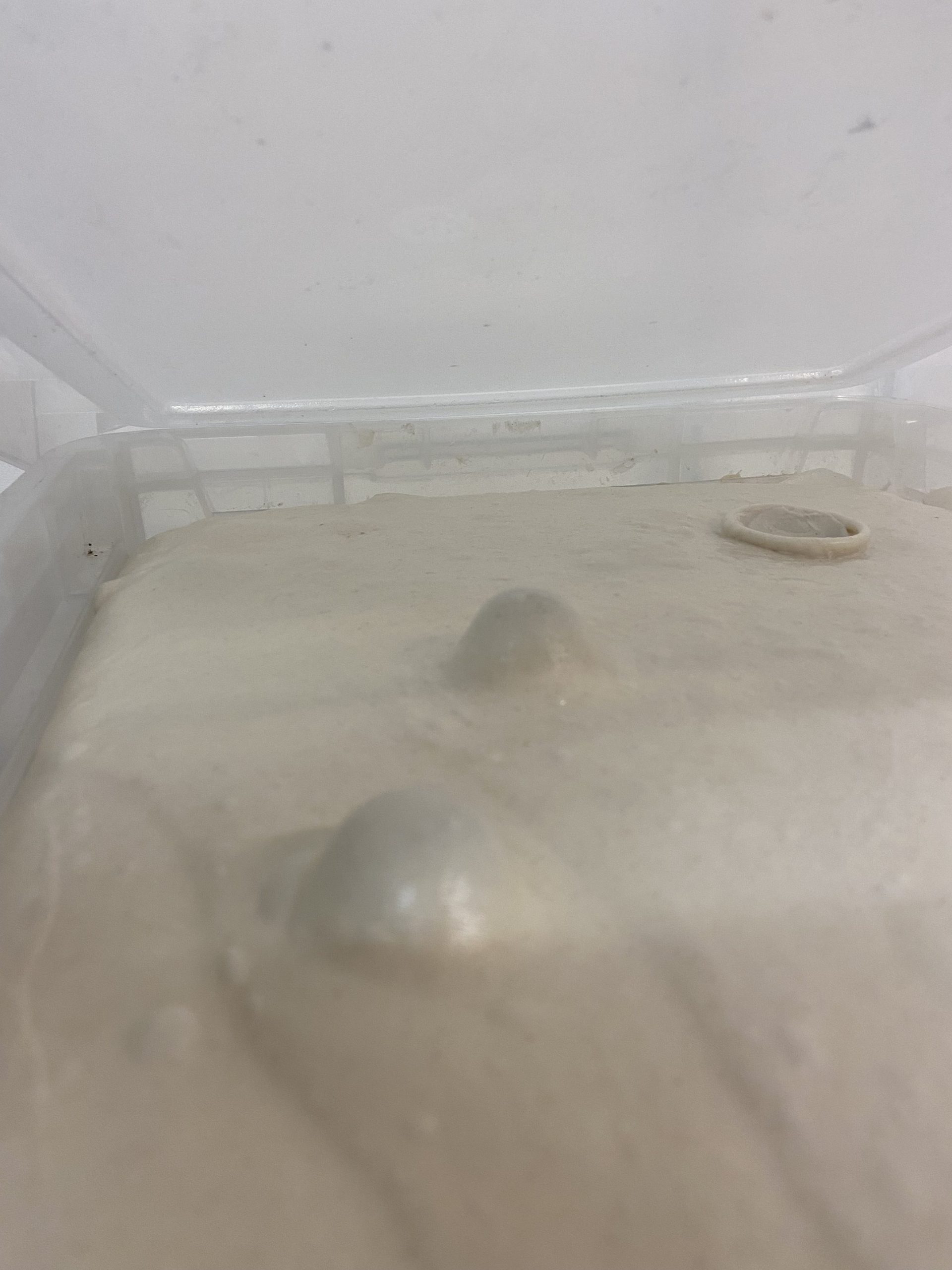
As the wild yeast consumes the sugars, it undergoes alcoholic fermentation.
- Carbon Dioxide: Yeast produces CO2 gas as a byproduct.
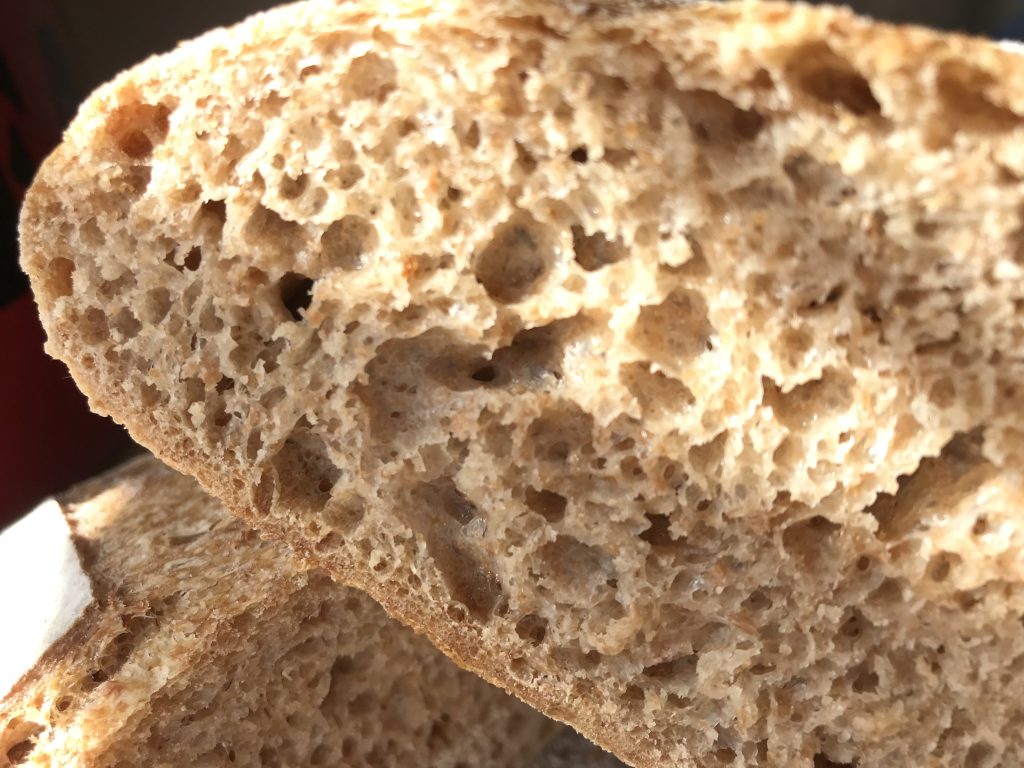
- The Trap: This gas becomes trapped inside the dough’s gluten matrix, causing the bread to rise, expand and create air pockets which create ‘the crumb’ (What it looks like when you slice the baked loaf open and often used on social media as ‘the reveal’!
- Ethanol: Yeast also produces small amounts of alcohol, which evaporates during baking, but contributes to the final delicious, but variable aroma.
3. ACIDIFICATION (The Sourness and Structure)
While the yeast inflates the dough, the lactic acid bacteria perform acid fermentation. They convert sugars into two types of acids:
- Lactic Acid: Gives the dough a mild, yogurt-like, creamy flavour.
- Acetic Acid: Gives the dough its sharp, vinegary, classic “sour” punch. (NB: Our bread doesn’t have this “London Look” almost burnt appearance or ‘classic’ taste. You might get the odd sensational tingle on your tongue, but we concentrate on soft, creamy and accessible, not sour, burnt and restrictive).
This drop in pH (increased acidity) makes the dough inhospitable to harmful pathogens, acting as a natural preservative. It also strengthens the gluten structure, giving the dough better elasticity.
4. TRANSFORMATION (The Health Benefits)
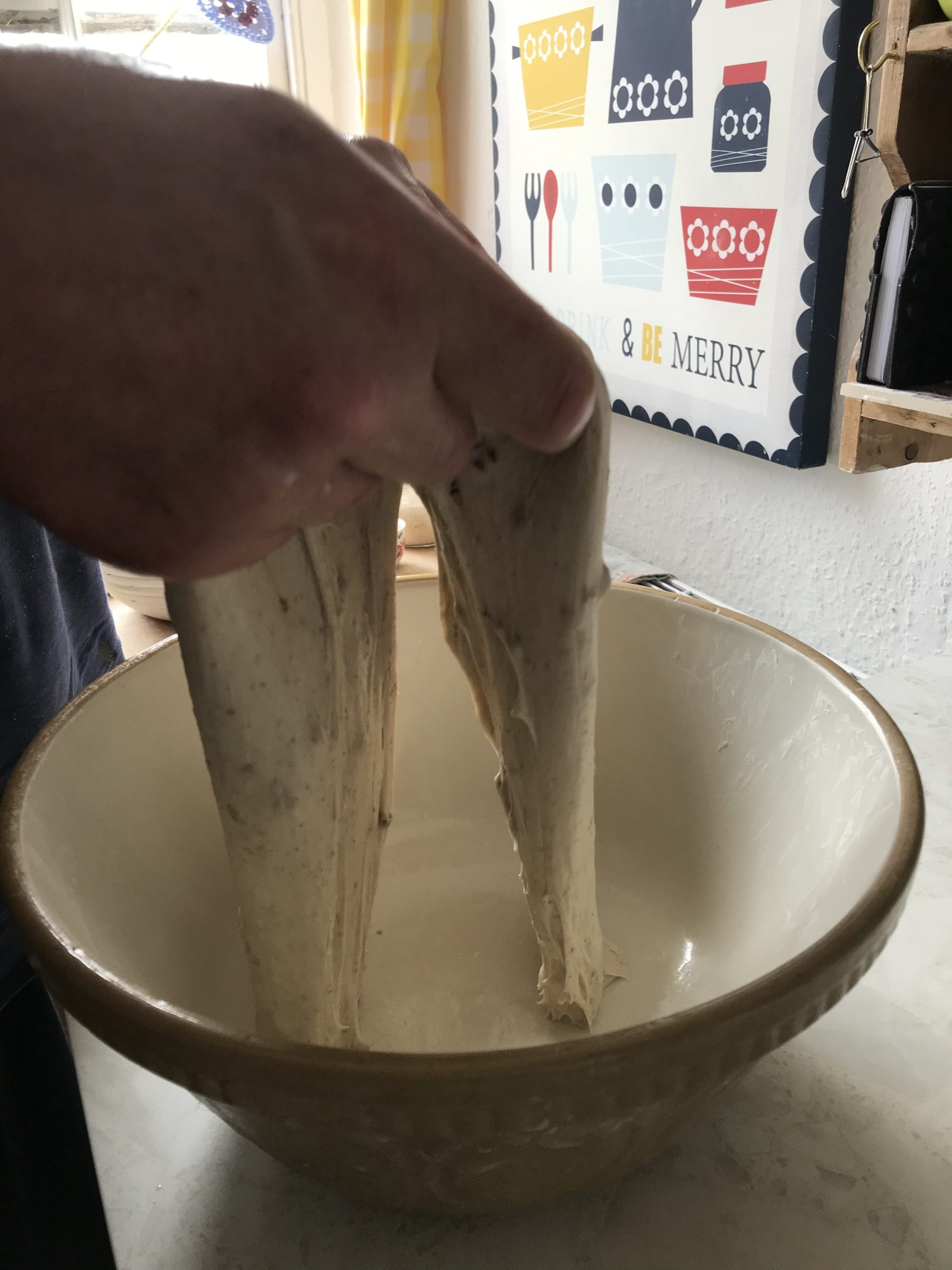
As the fermentation progresses over hours (or days in a cold fridge), the bacteria fundamentally alter the flour:
- Phytic Acid Breakdown: The acidity activates enzymes that break down phytic acid. Flour naturally contains something called “phytic acid,” which acts like a lock, trapping important minerals so your body can’t use them. The wild bacteria in sourdough release enzymes that can pick this lock. As a result, your body can easily absorb nutrients like iron, zinc, magnesium, and B-vitamins.
- Gluten Pre-Digestion: The long breakdown process partially degrades gluten proteins, making the final bread significantly easier to digest for many people.
EAT LIKE AN EGYPTIAN! (In Layperson’s terms, this bread is bloody good for you).
Sourdough bread also supports and regulates your T cells—the “special forces” of your immune system, primarily through its impact on your gut microbiome. Seventy percent of your immune system lives in your gut and the way sourdough is fermented directly influences how these cells behave, strengthening your body’s T-Cells that help to fight cancer. Clinical studies show that components of lactic acid bacteria (even heat-killed strains left behind after baking sourdough) act as a training ground for the immune system. They enhance the “antigen presentation” process, effectively showing your Killer T-Cells a “wanted poster” of what to attack, making them much more efficient at hunting down threats.

Regular bread uses fast-acting commercial yeast, which rushes and destroys this life-enhancing process.
Sourdough can reduce or even stop bloating because it is made using wild, good bacteria (lactobacillus). While the baking process kills the live bacteria, the fermentation leaves behind compounds called prebiotics. These prebiotics act as food for the good bacteria already living in your gut, helping your digestive ecosystem thrive. Not only that, it also has a low GI (glycemic index) so you feel fuller for longer, preventing sugar spikes in blood sugar which in turn force the body to produce high levels of insulin and a hormone called IGF-1 (Insulin-like Growth Factor). This hormone acts like fuel for tumour growth.
Unlike processed and modern bread (which actively promote sugar spikes due to the little nutritional value), the natural acids that give sourdough its taste also create an environment where bad bacteria and mould struggle to grow. This means authentic sourdough stays fresh on your counter for days naturally, without needing any of the life-harming chemicals or artificial preservatives found in regular supermarket bread.
THE TIMES OF SOURDOUGH
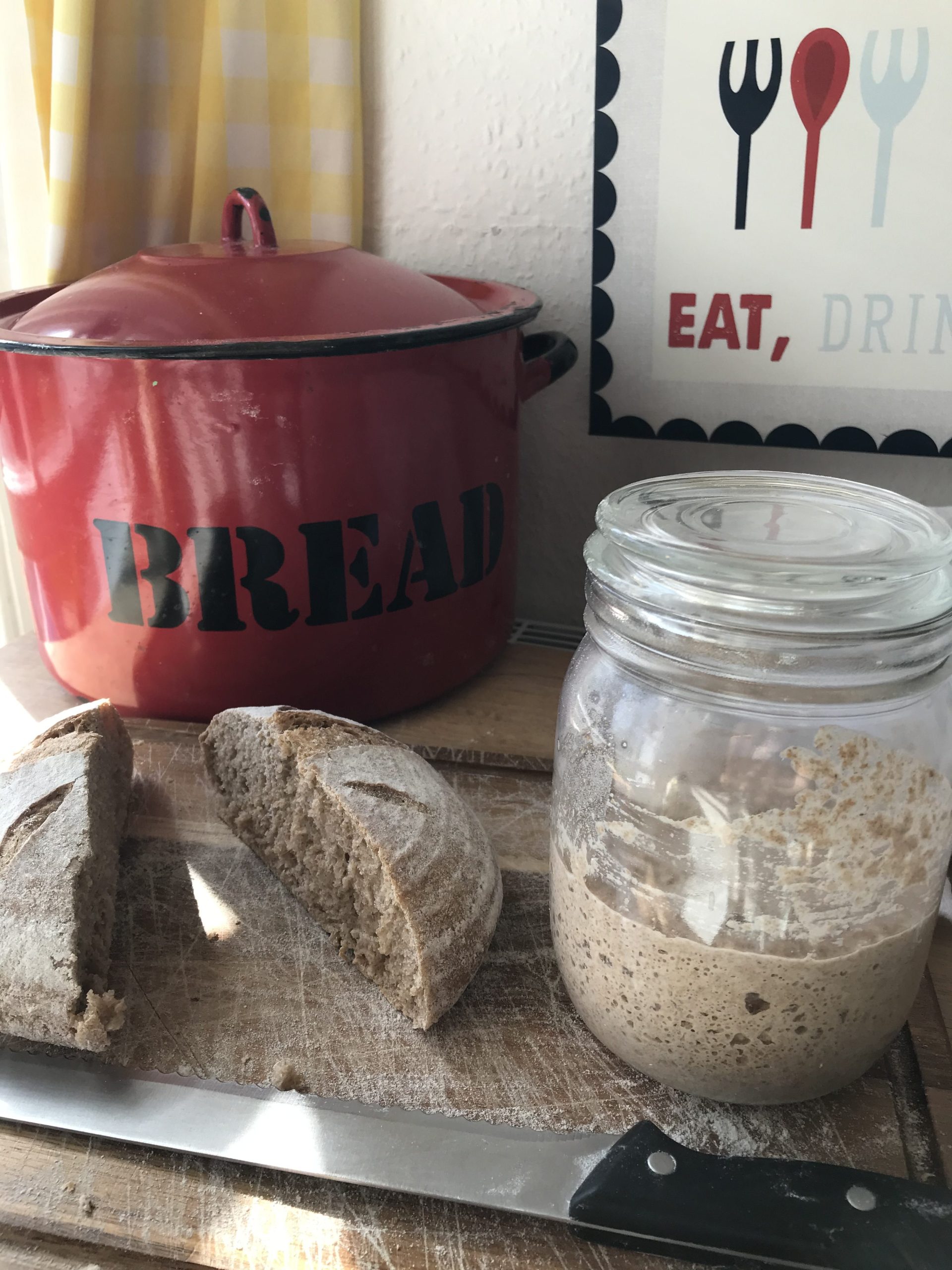
So where do the bees come in and what is the best way to store sourdough to make it last? Left unwrapped on a shelf, sourdough will of course go off quickly. The ancient Egyptians might have wrapped it in linen and buried it, as was their general modus operandi, but we’ve refined this process a little over the last five thousand years. As previously mentioned, sourdough contains natural preservatives, but they do need help, and the best and easiest way to store is in a good bread bin, preferably without a burial. We have a trusty and old-fashioned enamel one and it does the job perfectly. Tut’s your uncle, you might say!
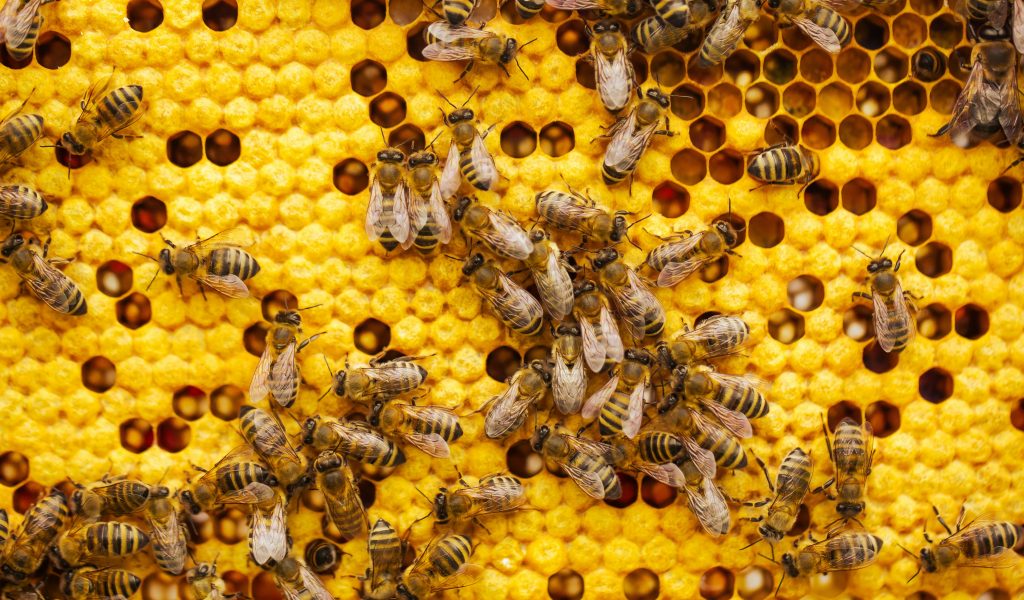
if you don’t have room for a bread bin, the next best thing is a bread bag that can hang from a hook of door handle or probably somewhere higher depending on the canine population of your home! The best one we have found is one that is cotton or linen and lined with a beeswax inner. These will be available to buy from us very soon and each will be unique and made to order using locally-produced beeswax from North Devon Queens, with a pretty vintage outer bag.
See our online shop for more details or click here to order.

🎯 Key Features & Advantages: beeswax bread bag
- Extended Freshness: Naturally locks in moisture to keep bread soft for days.
- Eco-Friendly Choice: Reduces reliance on single-use plastics and non-biodegradable waste.
- Cost-Effective: Reusable design saves money on storage supplies over many months.
- Breathable Material: Prevents mould growth by allowing optimal air circulation around the loaf.
- Versatile Storage: Suitable for room temperature, refrigeration, and long-term freezer storage.
- Space Saving: Folds flat when empty, freeing up valuable kitchen counter space.
- Chemical Free: Made from non-toxic, food-grade materials that are safe for your family.
- Protects Texture: Maintains the specific contrast between a crispy crust and soft crumb.
Next after this is a paper bag. It isn’t as long lasting, but it does help to retain the crust and it is eco-friendly.
As a final resort, a plastic bag helps the bread to last, but it does soften the crust as it encourages excess moisture. Plus it’s plastic! We don’t like or encourage the use of plastic. (Buy our beeswax bags:))
In the spirit of Egyptian Mythology, sourdough bread can actually be brought back from the dead! If your sourdough loaf is as hard as nails, simply run it under the tap briefly, place it in a preheated oven (150˚C) for about 8 minutes and you’ll have a warm, delicious loaf as soft again as the day it was baked.
Last, but not at all least, sourdough freezes brilliantly whether pre-sliced or whole. Defrost on the kitchen side whilst you go out for the day (again canine and even feline population dependent) or help it along in the oven. Alternatively simply put a frozen slice in the toaster and Ramses is your relative.
Don’t forget to check out our online shop as we don’t just sell bread.